Dutch spoken
Ruimte voor neurodiversiteit in het onderwijs
Saskia SchepersToon Hermans Theater Sittard - Grote Zaal
A warm and hopeful plea for looking at learning, talent and development differently.
Did you know that around half a million school-age children in the Netherlands have a diagnosis such as ADHD, autism or dyslexia? Or they have a less common brain, such as giftedness or high sensitivity. For them, it is not always obvious to find their way within our education system. In this inspiring theatre lecture, Saskia Schepers brings her bestseller When all brains learn to life on stage: for parents, education professionals and anyone living or working with children.
Being brain-friendly is something we do together
The hard facts: One in seven children receives youth care, often in combination with problems at school. Some 70,000 children are sitting at home; a very large proportion of them are neurodivergent. For their parents, this is not an abstract topic, but daily reality. There is a need for a different perspective. A story that is not based on deficits, but on understanding and utilising different brains. With recognisable stories, insights and practical tools, Saskia shows how we can make education and upbringing more brain-friendly, so that all children come into their own.
The theatre lecture is interactive, practical and enlightening, a warm and hopeful plea for looking differently at learning, talent and development. A meet & greet with Saskia will take place afterwards.
About Saskia Schepers
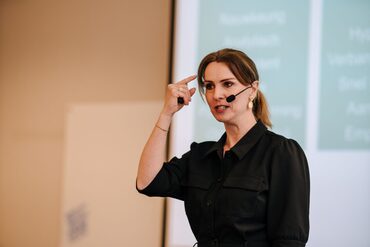
Saskia Schepers is a consultant and trainer on leadership, team development, HR, vitality and neurodiversity. She is a sought-after speaker in business, healthcare and education and was featured in the television programme Dream School in spring 2025. She wrote the bestsellers When All Brains Work (2023) and When All Brains Learn (2025). The latter book in particular about neurodiversity in education struck a chord with a large and engaged audience. In her theatre lecture, Saskia makes her vision accessible to a wider audience. She offers recognition, insight and hope - and gives parents, professionals in education and care, and young people themselves a new perspective.